
Writer: Kristina Saliba
In the shadowy corners of the underground, where distortion meets devotion and tradition intertwines with rebellion, Saħħar emerges as one of the most compelling voices in black metal’s ever-evolving landscape. Hailing from Malta, a place more often associated with sunlit coastlines than sonic darkness, Saħħar channels something far older and more arcane.
The name itself, meaning “sorcerer” in Maltese, is no accident. Saħħar’s music feels conjured rather than composed. It pulses with ritualistic intent, weaving tremolo-picked guitars, cavernous vocals, and hypnotic rhythms into something that feels less like a performance and more like an invocation. There’s a rawness here, yes—but also a deliberate sense of atmosphere, a careful shaping of sound that pulls the listener into a liminal space between past and present.
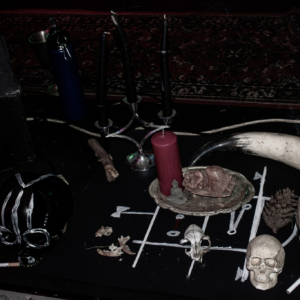
Photo by: Kristina Saliba
What sets Saħħar apart is the deep connection to Maltese heritage. Echoes of folklore, language, and Mediterranean mysticism seep into the music, giving it a distinct identity in a genre often dominated by Scandinavian aesthetics. Rather than imitate, Saħħar reclaims—transforming local cultural elements into something dark, powerful, and uniquely their own.
Listening to Saħħar isn’t passive. It demands attention. It asks you to sit with discomfort, to explore textures that are as unsettling as they are beautiful. There’s an almost meditative quality beneath the chaos, a sense that every note is placed with purpose.
In a scene that often thrives on anonymity and tradition, Saħħar stands as both participant and innovator, proof that black metal still has new depths to explore, especially when rooted in place, language, and identity.
This is not just music. This is ritual, memory, and resistance — summoned through sound.
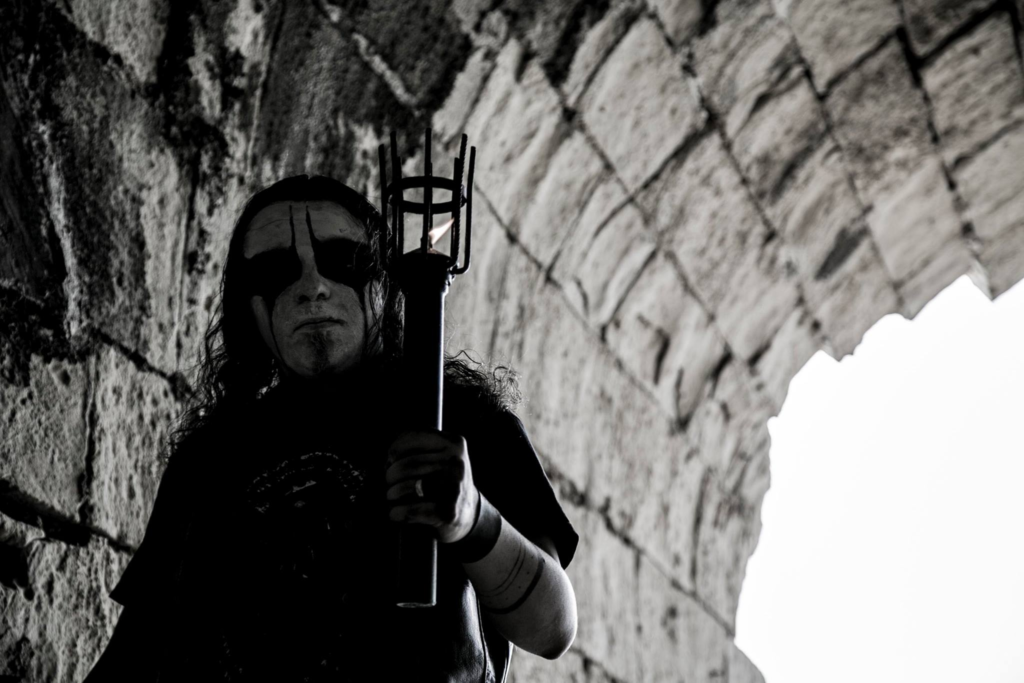
Photo by: Alexia Baldacchino